

Month-End Reporting
How Long Does Month-End Reporting Take?
For many businesses, month-end doesn’t mean you immediately have a complete picture of performance. Once the month closes, teams may still need to reconcile data, check transactions, consolidate information from different systems and prepare management reports.
The result is a reporting lag. The time between the end of the month and having a trusted, complete view of what happened.
For some businesses, this might be a few working days. For others, it can take a week or more. The important question isn’t simply how quickly a report can be produced, but how quickly decision-makers can access information they trust.
Why does month-end reporting take so long?
Month-end reporting often depends on several processes being completed before the final numbers can be reviewed. Data may sit across finance systems, operational software, spreadsheets and other business applications, creating additional work to collect, reconcile and consolidate it.
When this process is largely manual, reporting can become a backward-looking exercise. By the time the previous month’s figures are ready, the business may already be well into the next one.
That delay can make it harder for management teams to identify changes in performance early and respond while there is still time to act.
What is the benefit of daily reporting?
Daily reporting doesn’t necessarily replace the formal month-end close. Financial controls, reconciliation and accounting processes still have their place.
What it can provide is a more current view of business performance while those processes are taking place.
Instead of waiting until month-end reporting is complete to understand trends, teams can monitor relevant information throughout the month. This can help highlight changes earlier, provide greater visibility and reduce reliance on reports that are already several days old.
The key measure is therefore your reporting lag. If your team takes 10 working days after month-end to produce a trusted management view, those 10 days represent a significant gap between the business generating information and management being able to use it.
How Roveel helps
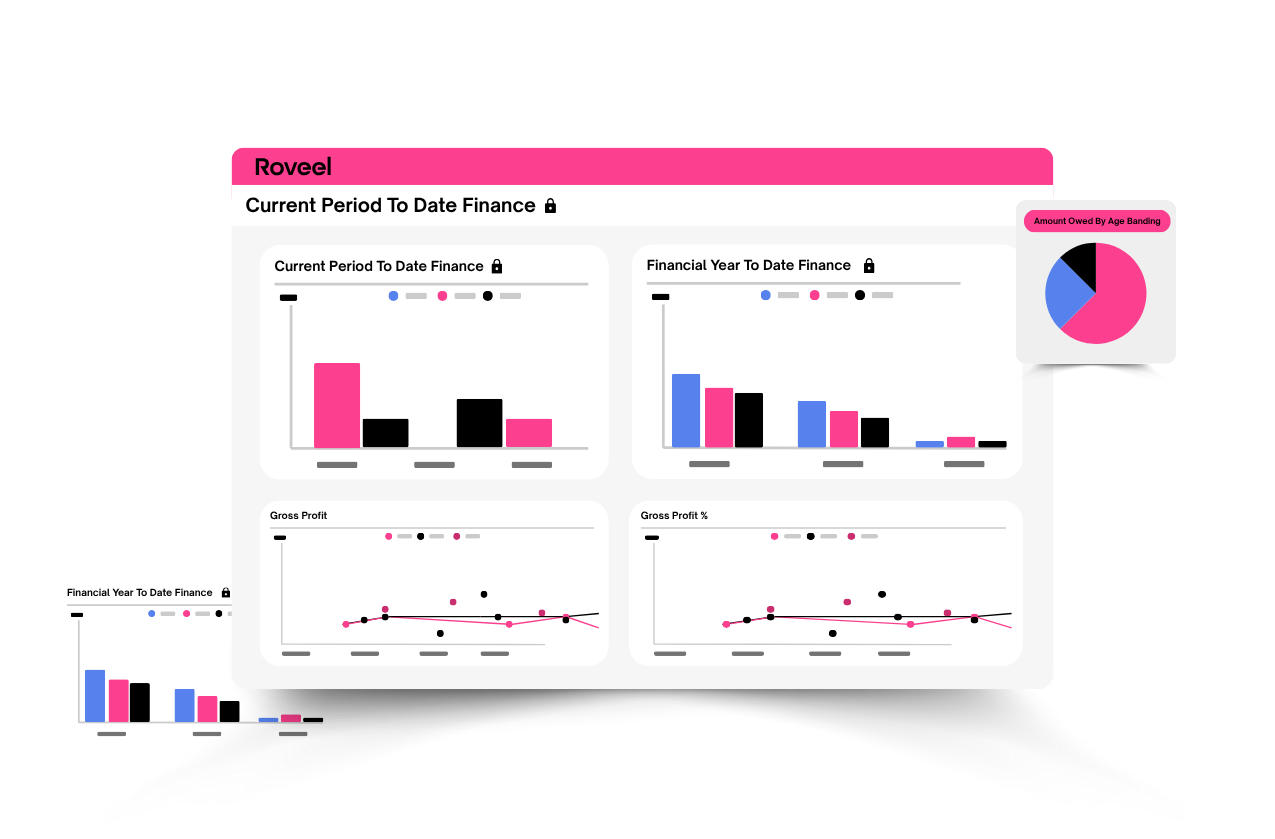
Roveel gives businesses a more current view of their data through regularly refreshed reporting, helping teams spend less time waiting for information to be consolidated and more time using it.
Rather than relying solely on a month-end snapshot, businesses can have access to refreshed information throughout the month. This provides greater visibility into performance and can support more timely decisions.
The objective isn’t simply to produce a month-end report faster. It’s to reduce the gap between what is happening in the business and when decision-makers can see it.
Measure your reporting lag
A simple starting point is to measure the number of working days between month-end and the point at which your management team has a complete, trusted view of performance.
Once you know that number, you have a clear benchmark for improvement.
If your business is still waiting days after month-end to see the full picture, Roveel can help you move towards a more continuously refreshed view of performance.